Heldi Blogs

Honest writing on protein and desi cooking.

What we wish more people knew about the food we already love.

Why the dad-bod is a different problem for desi men
Across Life StagesCardiovascular HealthMen's Health

Why the dad-bod is a different problem for desi men

In short
  • South Asian men have heart attacks an average of 6 years earlier than other ethnic groups, and 40 to 50% higher cardiovascular mortality in the UK.
  • The reason is body composition, not body weight. Visceral fat (around internal organs) and lower muscle mass drive the risk, and BMI underestimates it.
  • The fix is well-evidenced. Adequate protein, less refined carb, resistance training two or three times a week, and watching waist measurement rather than the scale.
Read more
The desi woman's guide to strength: 20s through 70s
Strength TrainingWomen's Health

The desi woman's guide to strength: 20s through 70s

In short
  • A meta-analysis of whey protein trials in women found average lean mass increase of just 0.37kg, less than 1% of body composition. The bulky myth is contradicted by every well-designed study.
  • What you build in your 20s matters for life. Each 0.5 SD increase in peak bone mass cuts lifetime fracture risk by around 40%.
  • Pregnancy adds 6.7 to 21.7g of protein needed per day. Lactation adds 19g. Most lacto-vegetarian Indian women fall well short of these targets.
Read more
Why ghee isn't the villain (but the rest of your meal might be)
Cooking OilsGheeHeart Health

Why ghee isn't the villain (but the rest of your meal might be)

In short
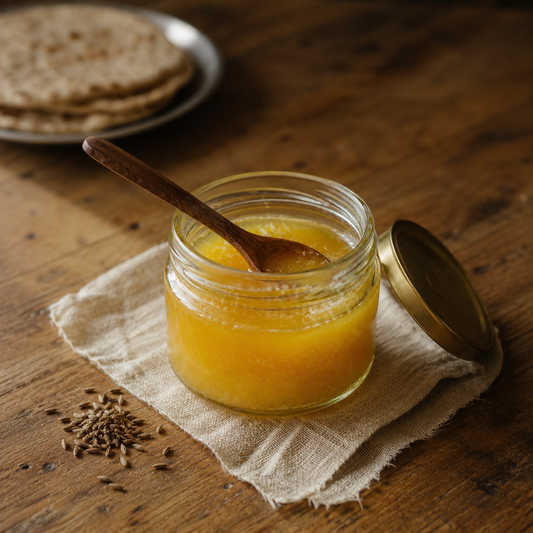
  • A 2024 meta-analysis of nearly 20,000 people found ghee consumption does not significantly affect overall lipid profiles in humans.
  • Ghee is more thermally stable than most seed oils. At cooking temperatures it produces dramatically fewer toxic compounds than sunflower or canola.
  • The bigger driver of desi cardiovascular risk is the refined carb load: biscuits, white rice, packet snacks, sweets. Not the ghee in the dal.
Read more
What's actually in your cup of chai (and why two a day is fine)
ChaiDaily RoutinesIndian Food

What's actually in your cup of chai (and why two a day is fine)

In short
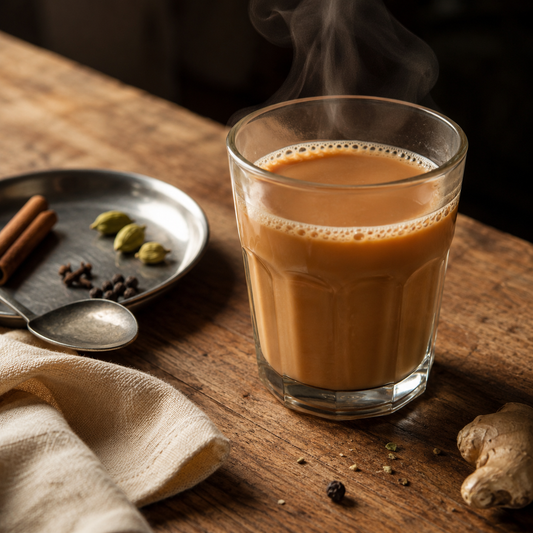
  • A cup of masala chai delivers 2 to 7g of protein from the milk, plus a meaningful dose of antioxidants from the spices. Not a meal, not empty calories.
  • The spices each do something. Ginger for digestion, cinnamon for blood sugar, clove and cardamom for inflammation, black pepper to help your body absorb the rest.
  • Two cups a day is normal in most desi households. With a small protein addition, those cups quietly deliver more without changing the routine.
Read more
The truth about muscle loss after 40 (and why it hits desi adults harder)
AgeingMuscle LossSarcopenia

The truth about muscle loss after 40 (and why it hits desi adults harder)

In short
  • Adults lose 30 to 50% of their muscle mass between 40 and 80 if nothing is done about it. Most of that loss happens after 50.
  • South Asians start with less muscle than other ethnicities and face a steeper decline. In a UK study of 5,288 desi adults, low muscle strength was linked to 89% higher diabetes risk.
  • The fix is well-established: 1.0 to 1.2g of protein per kg of body weight per day, three meals each delivering 25 to 30g, plus regular resistance movement.
Read more
Why your dal feels filling but you're hungry an hour later
HungerIndian FoodSatiety

Why your dal feels filling but you're hungry an hour later

In short
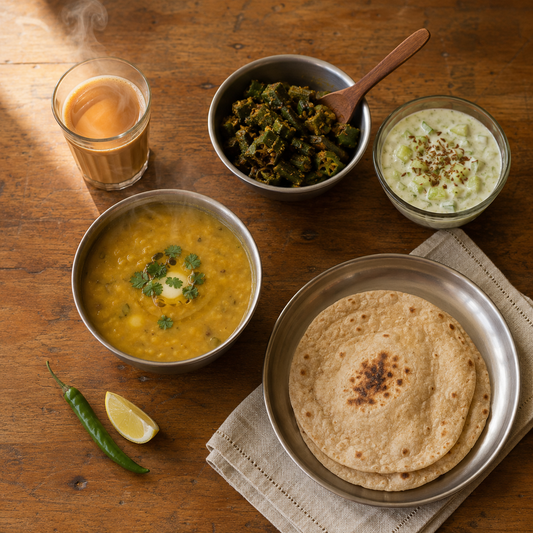
  • Feeling full and staying full are two different things. Desi meals nail the first, fall short on the second.
  • A typical desi lunch delivers 18 to 22g of protein. Your body needs 25 to 30g per meal to actually stay satisfied.
  • The fix isn't a different cuisine. It's a bigger portion of dal, more dahi, an egg, or a protein blend stirred in.
Read more
Where does whey protein come from? The honest answer, with paneer.
NutritionProtein

Where does whey protein come from? The honest answer, with paneer.

In short
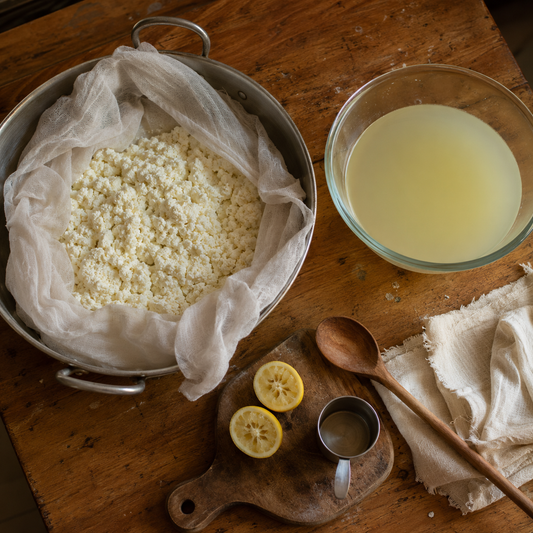
  • Whey is the yellow water left when milk splits into curds and liquid. Same thing your nani strains off when making paneer.
  • A litre of milk gives you 200g of paneer plus 800ml of whey, which holds around 5g of protein and most of the milk's vitamins.
  • Whey protein powder is just that water filtered and concentrated. Vegetarian. Not vegan.
Read more