 High protein
 Real spices
 Vegetarian
Dal tadkaTHE MAIN
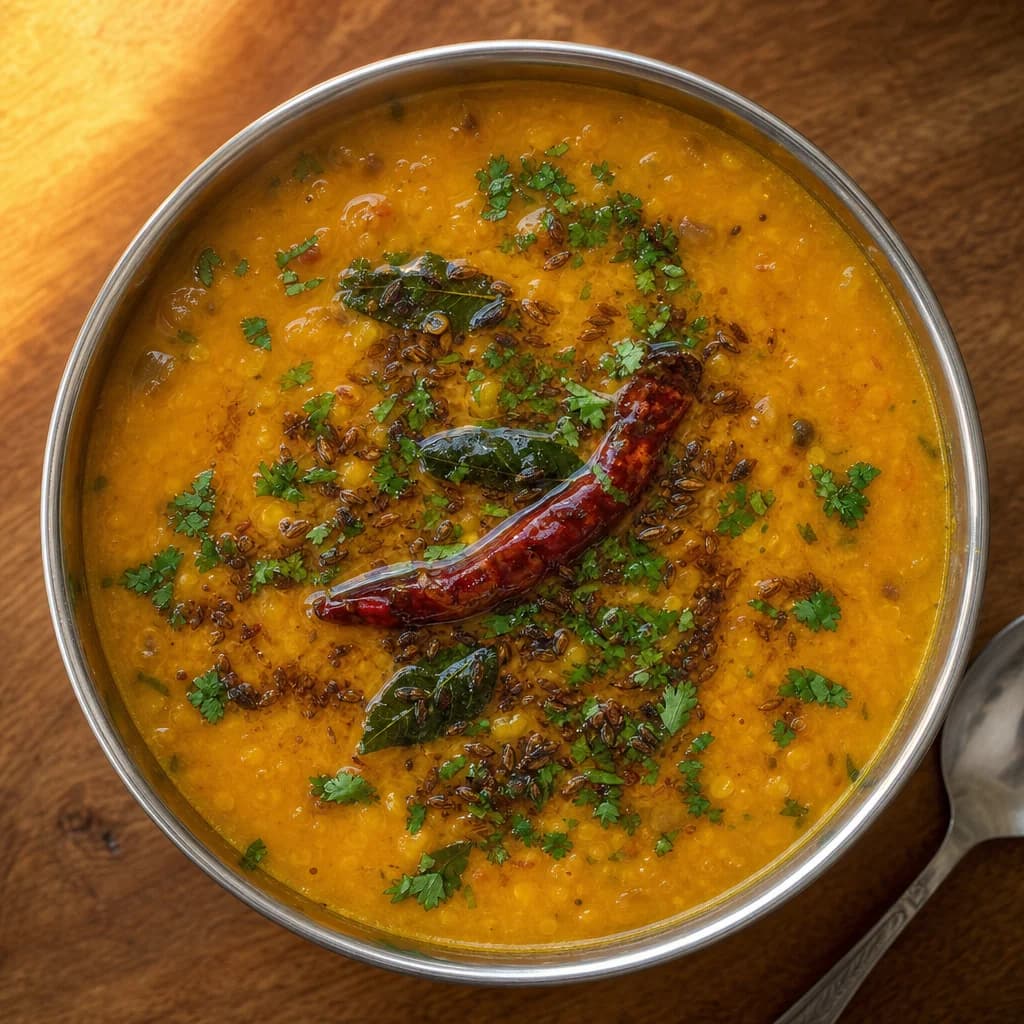
6g
protein in this bowl
/hel-dee/adj. how my nani says “healthy.”
More from the food you love.
Nobody should have to swap their mum's dal for a protein bar. So we made protein you stir into your home-cooked favourites. A spoonful of Heldi Khana adds 10g of protein to your dal, curry or sabzi, and a spoonful of Heldi Chai adds 5g to your chai, tea or coffee.
Developed by Indian home cooks for Indian families.

The first 100 on the list get a free sample pair, and we pay the postage. Everyone on the list gets 15% off their first order.
THEY SHAKE. WE STIR.
Pick a bowl or mug and stir in Heldi. We will do the protein maths as you go.
6g
protein in this bowl
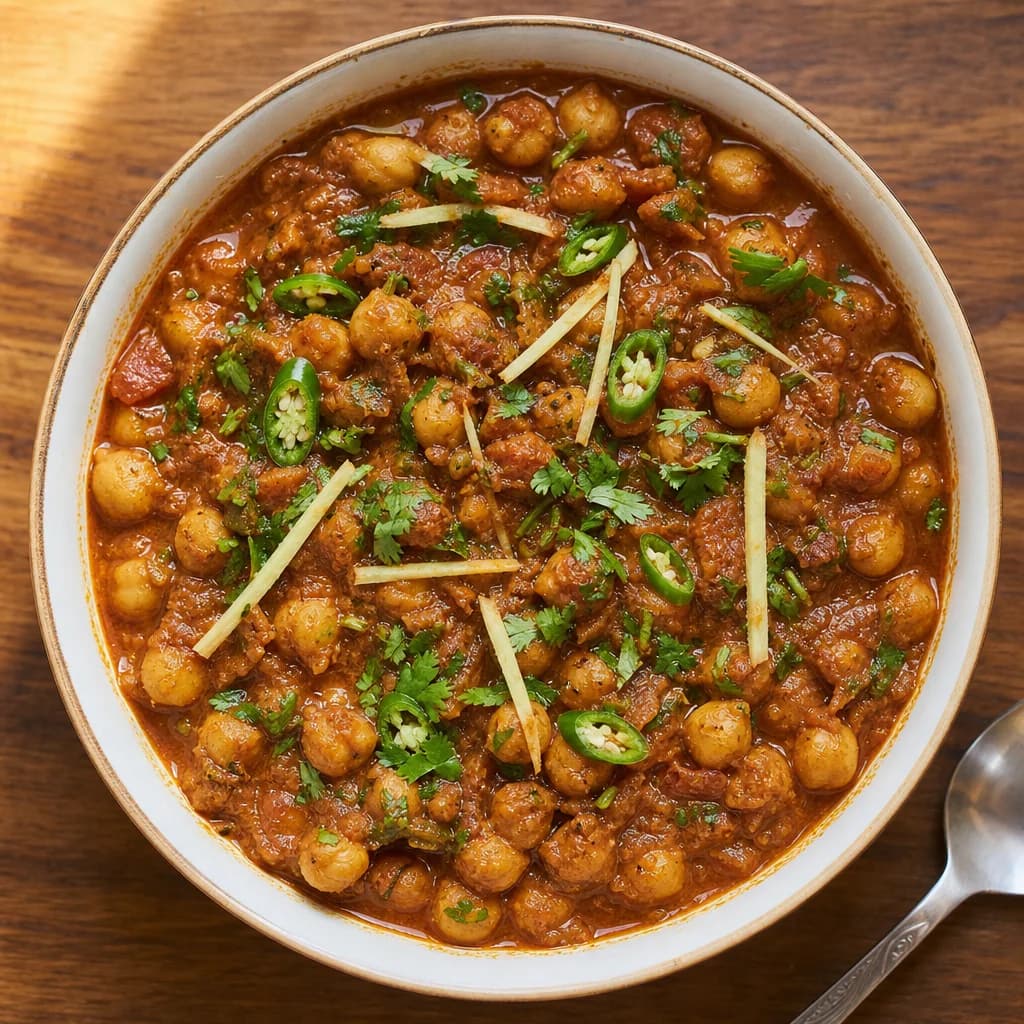
8g
protein in this bowl
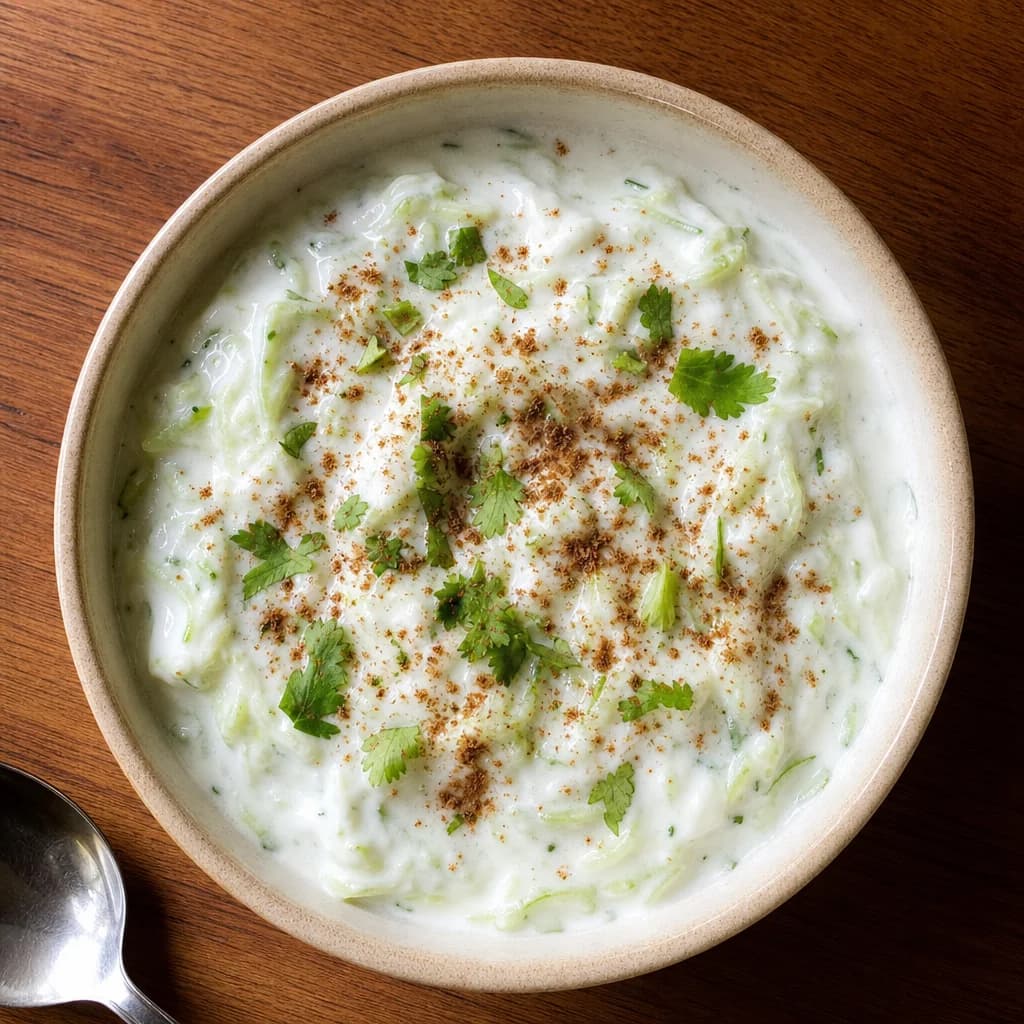
3g
protein in this bowl
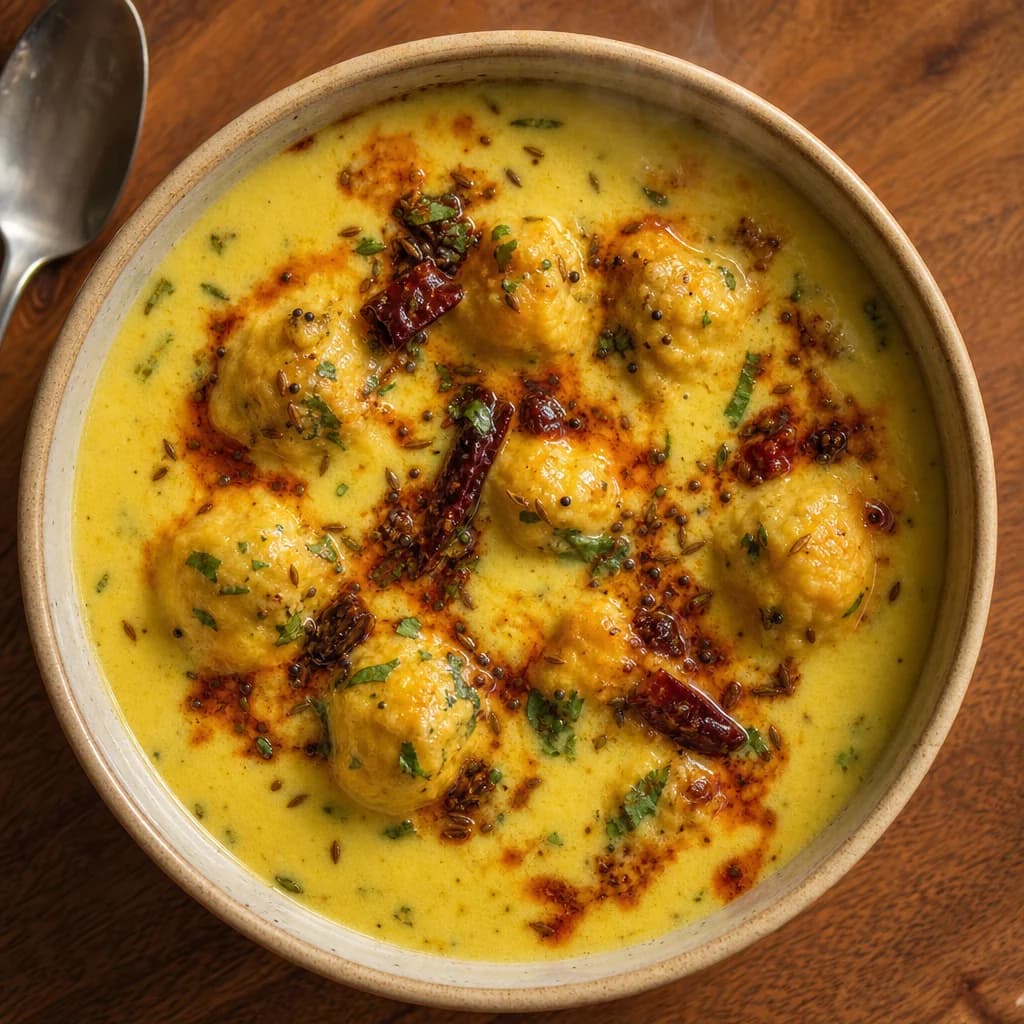
7g
protein in this bowl
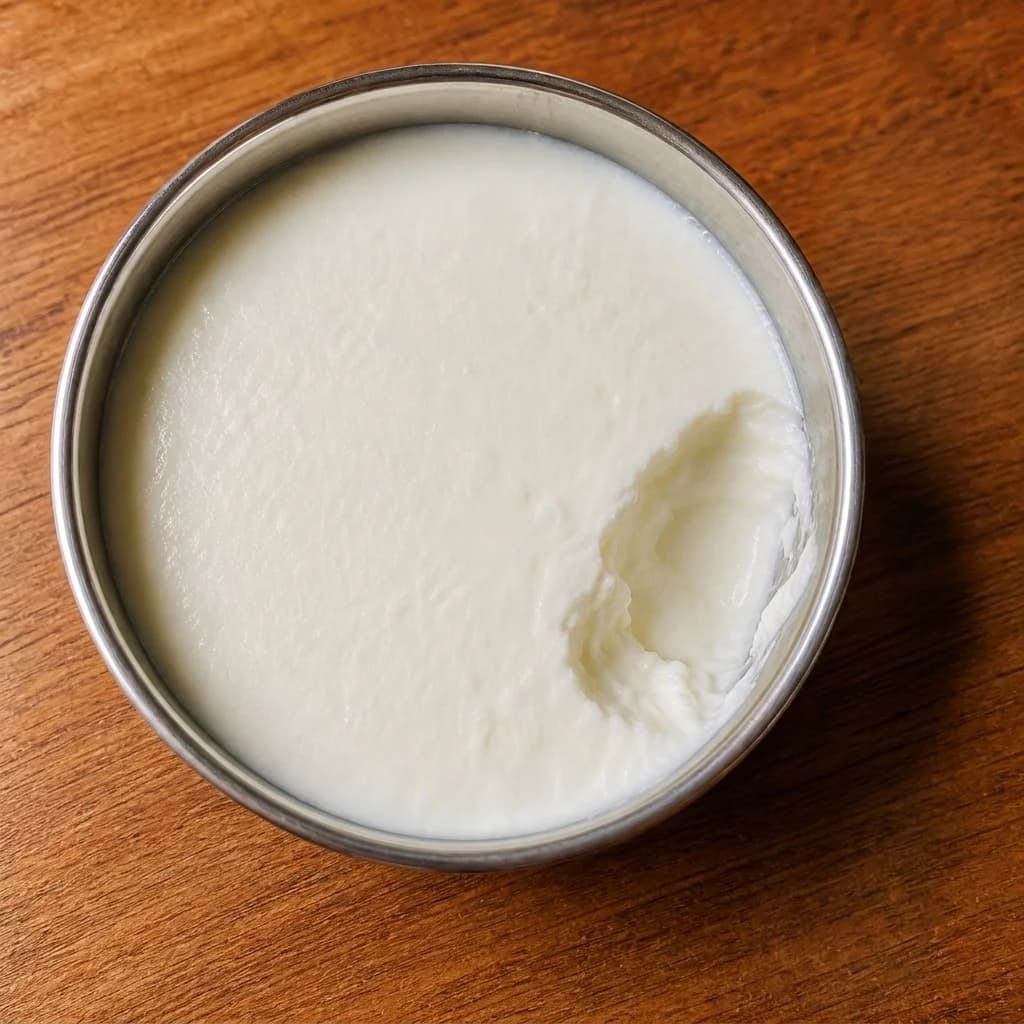
5g
protein in this bowl
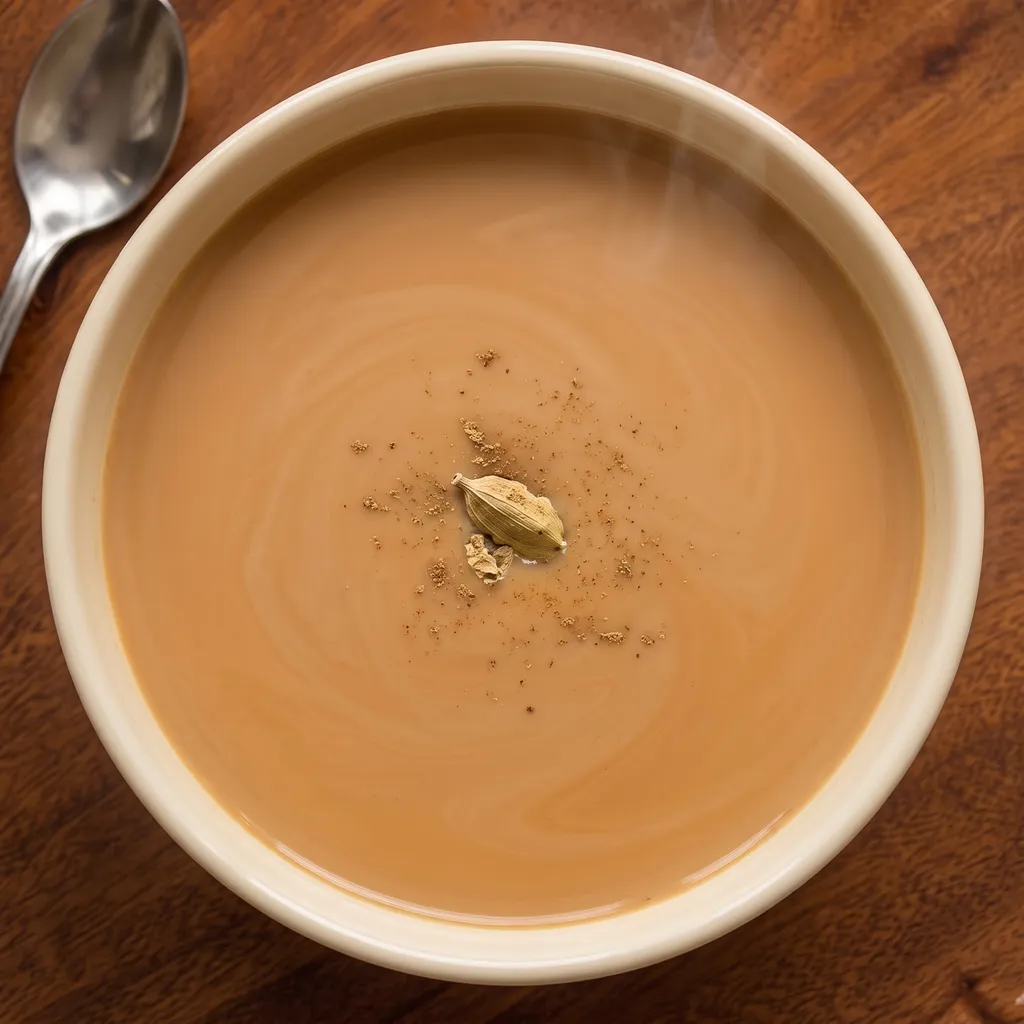
2g
protein in this mug
TWO POUCHES
Pick the pouch that matches what your family is making: Khana for food, Chai for drinks.

FOR THE BOWL
Khana literally means food, and food is life. We want to bring something new to the table: whey protein and warm spices that stir straight into the dal, curry, sabzi and raita already in your week.
Khana will be ready on launch day.
Meet Khana →
FOR THE MUG
Made with the spices we love in our chai: ginger, cardamom, cinnamon, black pepper and clove. Stir it into chai, tea, coffee or hot chocolate once the cup is cool enough to drink.
Chai is just about ready, and it launches with Khana.
Meet Chai →HOW IT WORKS
Pick what you are making. Each card gives you the three useful steps, whether you have the family table, a cooking pot, a cold bowl or a mug by the kettle.

Start with1 tsp each
Work up to1 heaped tbsp each
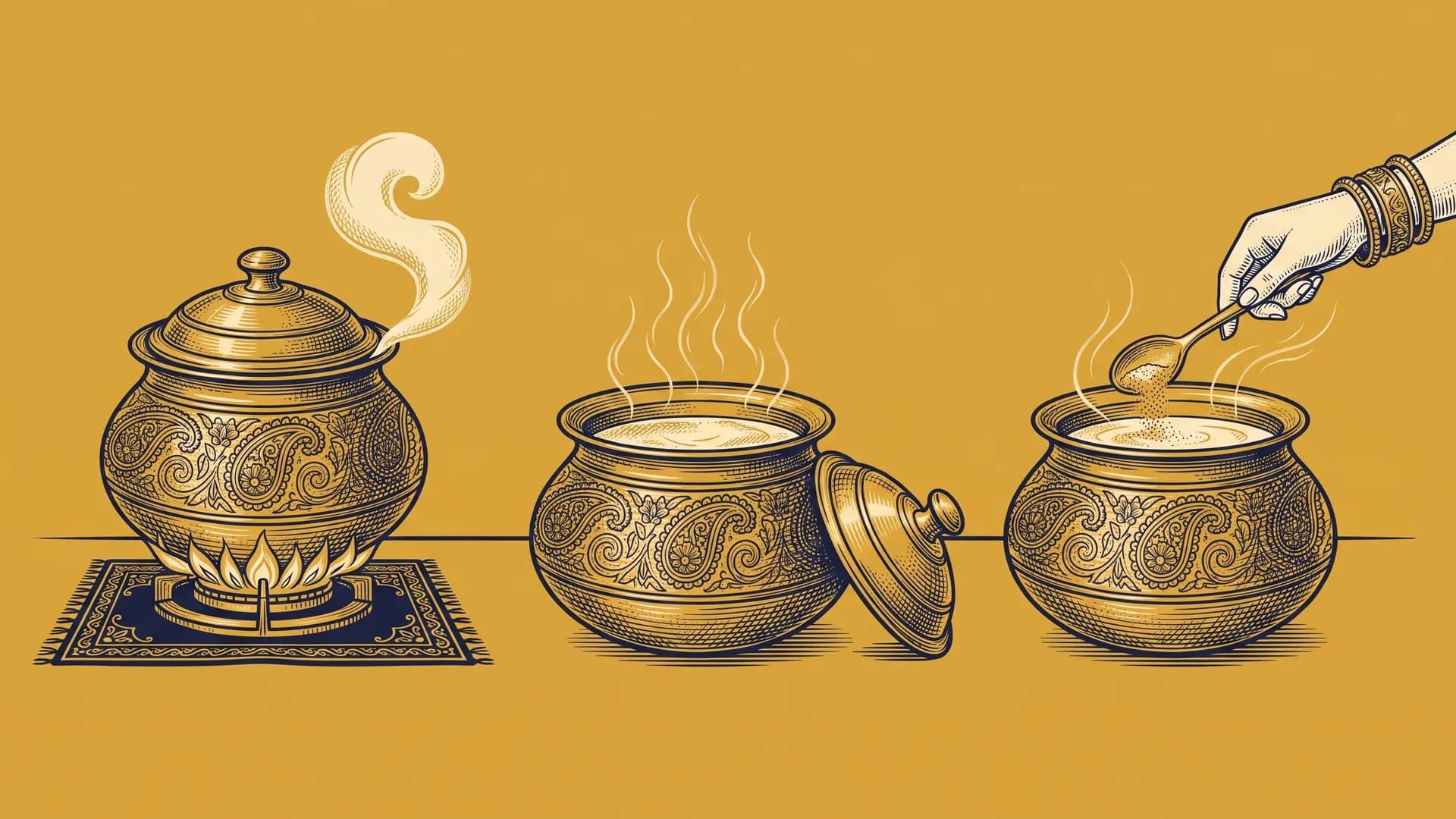
Start with1 tsp per person
Work up to1 heaped tbsp per person
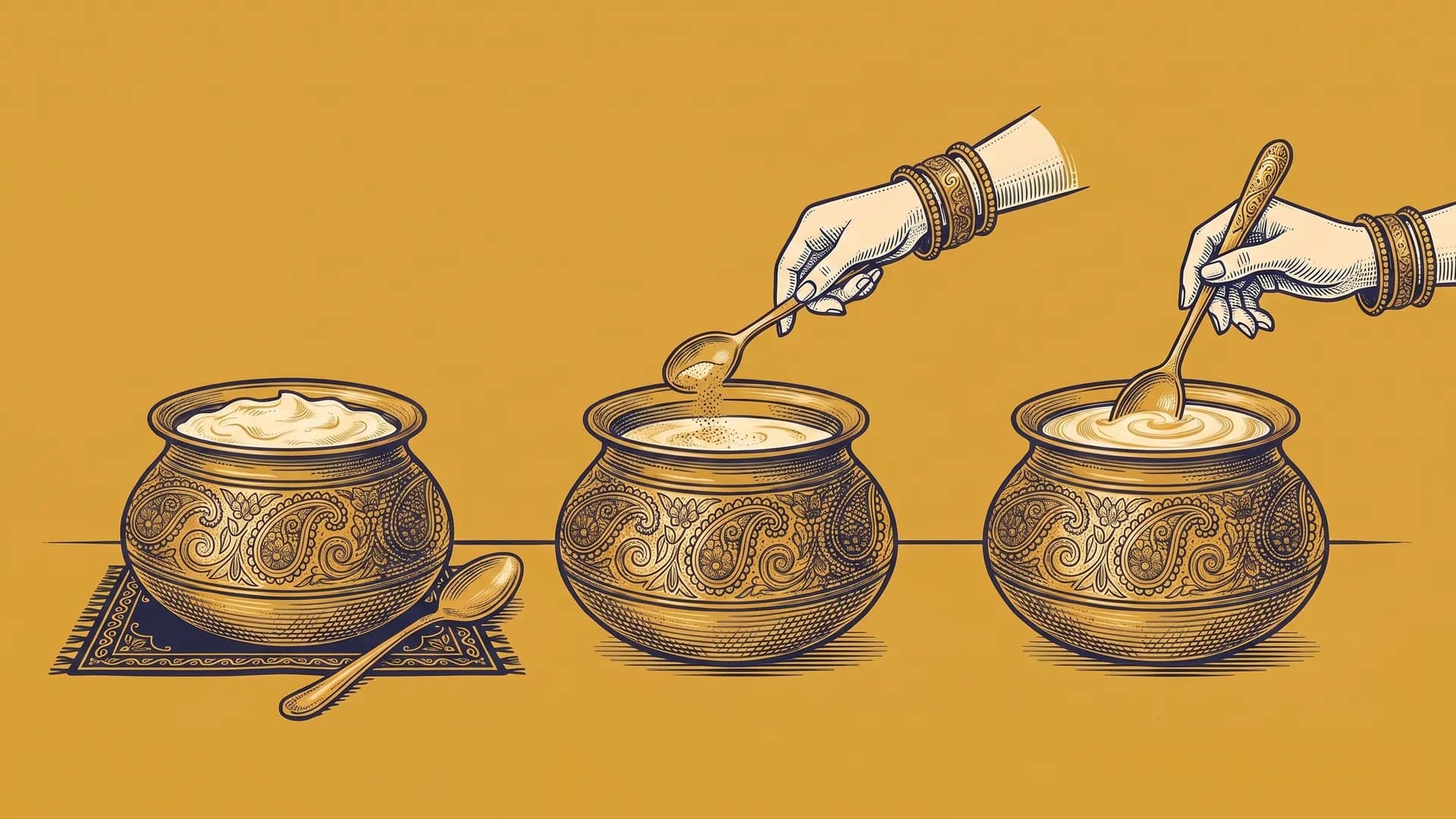
Start with1 tsp per person
Work up to1 tbsp per person
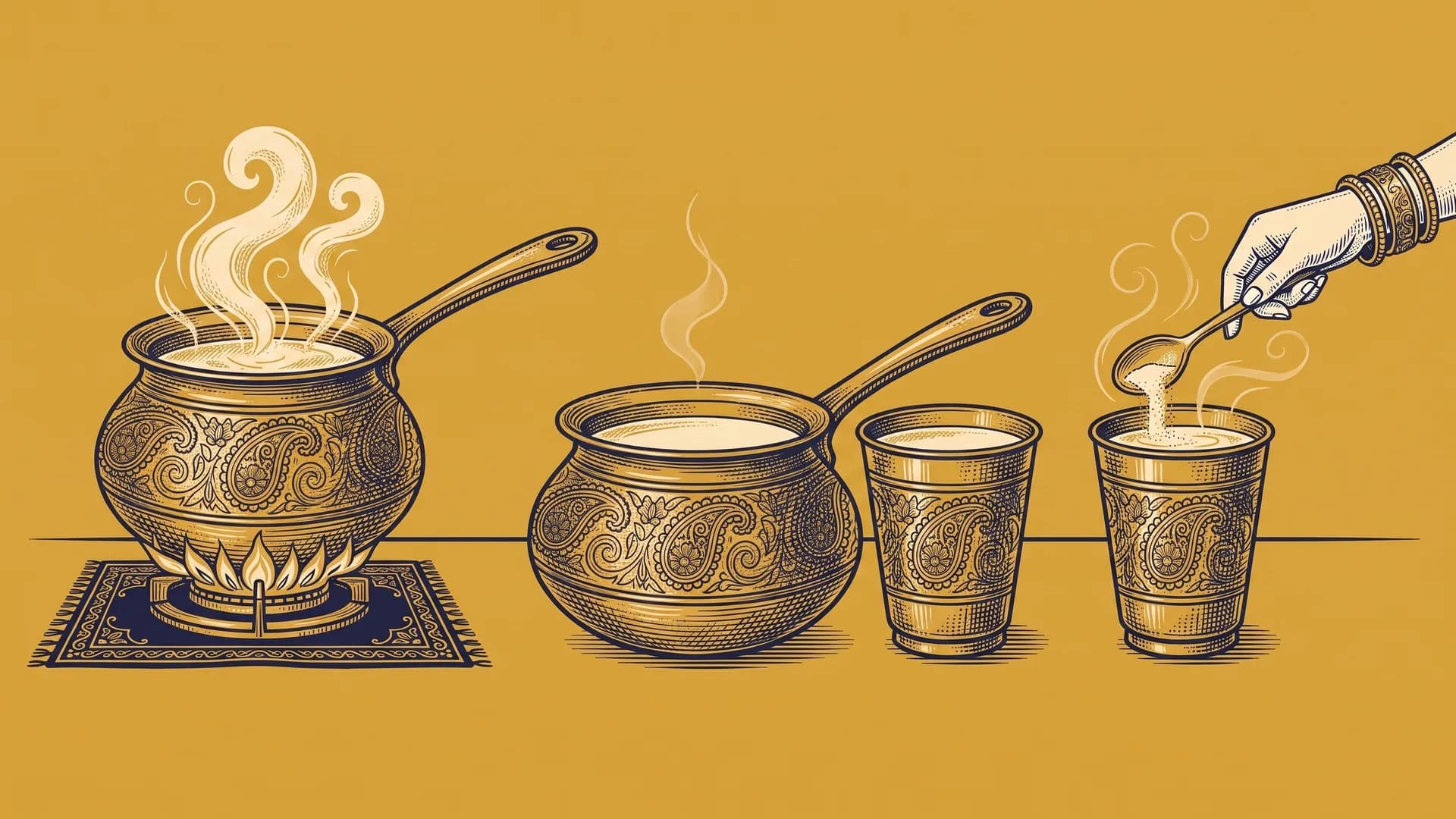
How much1 level tbsp per mug
THE HONEST TRUTH
We looked at the bowl that actually lands on your table. A cooked bowl of dal has closer to 6g of protein, not the 18g quoted on most sites, which is for about 75g of dry lentils.
94% whey protein isolate. The rest, warm spices you already know.

My nani never said healthy. She said heldi. Warm food, made with care, made for you. That is where the name comes from.
I want more time with my mama and papa, and I want it to be the active kind: long walks and full tables. I'd love my mama's palak paneer, the way my dadi taught it to her, to still be cooking when it's my turn at the stove. I made Heldi so nobody has to give up the food they grew up on.
— Mihir, founder
Read our story →HELDI VS THE SHAKER
We made Heldi for the way our families eat: breakfast, lunch and dinner, a cup of chai in between, and no separate shake waiting afterwards. The scorecard shows where it fits.
Flavours
Cumin, coriander, garam masala, chilli, turmeric
Birthday Cake Blast™
Washing up
A spoon
That shaker. You know the smell.
You may not. Protein contributes to the maintenance of muscle mass. Muscle mass tends to decline gradually from your 30s onwards. A typical home-cooked vegetarian day delivers 35 to 45g, while the target used here for an active adult is 75g or more. These are broad examples. Your own intake and needs depend on what you eat, your body size and your level of activity.
You can, if you like them. Most of our parents don't. Heldi puts the protein into the meals you were going to eat anyway: same dal, same raita, ten more grams in each bowl. Nothing new to swallow, nothing to give up.
No, not in the dishes it was made for. The spices are ones your masala dabba already holds (cumin, coriander, garam masala, Kashmiri chilli and turmeric), so in a dal, curry or raita they taste as if they were there all along. No chalky film, and none of that protein-shake aftertaste. The result will still depend on the dish and how much you add.
Serve your dal, curry or sabzi as usual, stir one heaped tablespoon of Heldi Khana into your bowl, and keep the jar on the table for next time. One serving is 12g, about one heaped tablespoon. The recommended daily intake is 12g to 48g, which is 1 to 4 servings; do not exceed it. Cooking for everyone? Take the pot off the heat and let it cool a little, add one spoonful for each person eating it, then mix the pot thoroughly so the powder is shared across those portions. In something smooth, like a big pot of dal or a bowl of dahi, the powder can clump, so a whisk does a better job than a spoon. In a dish with pieces in it, like a sabzi or chana masala, the pieces break the clumps up as you stir, and a spoon is all you need. Heldi Chai is different: its serving is 8g, about one level tablespoon, stirred into a hot drink once it is cool enough to drink, and its recommended daily intake is 8g to 32g.
Yes. Heldi Khana is made for dishes with a gravy, dal or yoghurt base, including sambar, kadhi, korma, bhindi in gravy and chaat with dahi. It can also be stirred into chicken curry, keema or egg bhurji. Let the food cool a little first, then mix the spoonful through evenly. Found a dish it works brilliantly in? Email info@heldi.co.uk and we will pass it on to everyone else.
Khana is the savoury blend, made with warm spices for dal, curry, sabzi and raita, so it is not intended for chai. Heldi Chai is the blend for hot drinks: whey protein and milk protein concentrate with ginger, cardamom, cinnamon, black pepper and clove, stirred in once the cup is cool enough to drink. Contains milk.
Yes. Whey is the pale liquid separated from milk during cheese or paneer making. The whey used in Heldi is made without animal rennet, then filtered to concentrate the protein and dried into a fine powder. It is suitable for lacto-vegetarians, but it is not vegan.
Heldi contains no meat, alcohol or animal rennet. Its whey is a dairy ingredient, in the same family as milk and paneer. Heldi does not yet hold formal halal certification. If certification matters to you, email info@heldi.co.uk and we will give you the current position plainly.
Lactose intolerance varies from person to person. Heldi Khana uses whey protein isolate that is 98% lactose-free. A spoonful contains roughly 0.3g of lactose, far less than traditional whey concentrate and a fraction of the amount in a glass of milk. That figure cannot predict how an individual will respond, so ask your GP or dietitian if you are unsure. Heldi Chai also contains milk protein concentrate, which carries a little more lactose than whey isolate, but its smaller serving comes to about 0.2g a mug, calculated from its ingredients and still far less than a traditional whey concentrate shake. A confirmed milk allergy is different: both products contain milk and are not suitable for someone with that allergy.
Heldi Khana is whey, a protein from milk, the same milk their dahi and paneer come from, with kitchen spices and no sweeteners or caffeine. Most children already get the protein they need from ordinary family meals, so Heldi is not something they have to have. If you would like to add it to a child's bowl, ask a GP or dietitian who knows them first. If Heldi is going into the family pot, everyone at the table gets some, so dish up the children's portions first if you would rather they did not. Heldi Chai contains coconut sugar, and the Chai blend itself is caffeine free, but tea and coffee usually are not, so the drink it goes into is the thing to check. Both blends contain milk.
Heldi is made for grown-ups of every age. The one rule: if they have a medical condition or a prescribed diet, show their GP or dietitian the label first. Heldi Khana is whey and the spices they have cooked with all their lives: cumin, coriander, garam masala, Kashmiri chilli and turmeric. It also has a pinch of fine sea salt, 0.14g of salt a spoonful in all, and sunflower lecithin. It contains milk, and it has no added sugar, though it contains naturally occurring sugars. Heldi Chai is its own recipe and contains coconut sugar.
Ask your GP or dietitian first, and take the label with you. What we can tell you is that Heldi Khana has no added sugar and under 1g of carbohydrate per spoonful, though it contains naturally occurring sugars. Heldi Chai contains coconut sugar, and its label shows how much.
WITH EVERY ORDER
Every pouch order ships with a refillable jar for the dinner table. Not the cupboard. In our families nobody says “I love you” over dinner. A plate is put down in front of you, and that is the whole sentence. The jar goes round after it, with the rotis, and the grown-ups each stir a spoonful into their own bowl. Heldi Chai comes with the same jar, so one can sit by the kettle too, ready for a spoonful just before you drink. It comes in gold, and only gold. Who doesn't love gold?


One email, the day we launch. The first 100 on the list get a free sample pair, one for the bowl and one for the mug, and we pay the postage. Everyone on the list gets 15% off their first order.
Heldi is a food supplement. One serving is 12g, about one heaped tablespoon. Recommended daily intake: 12g to 48g (1 to 4 servings), providing 10.1g to 40.4g of protein. Do not exceed the recommended daily intake. Food supplements are not a substitute for a varied and balanced diet and a healthy lifestyle. Keep out of reach of children. Contains milk (whey).


